
The QPath Blog

QuantumPath® Timeline

One of the major obstacles to the growth of the emerging quantum computing industry remains the chronic shortage of specialized labor. In the case of quantum and hybrid software development, this shortage is even more pronounced. To resolve this situation, the quantum industry cannot wait for societies to undergo a cultural transformation to embrace quantum complexities in a similar way to classical or binary applications. The need to find urgent solutions to this problem requires accelerators that facilitate workforce access to quantum software development.
In my practical experience, I have successfully confirmed that one such accelerator could be companies’ plans to train candidates with no experience in quantum software in the fundamentals of software engineering and quantum programming, assisted by commercial software that facilitates the creation of the “legions” of software engineers and quantum programmers that increasingly in demand in the quantum computing workforce market.
The importance of finding solutions to this complex situation lies in the fact that, similar to what happened with classical computing, it will be software engineers and programmers, in direct interaction with users and the market, who, by developing practical commercial solutions, will ultimately define how and for what purpose quantum computing will be used by reliably demonstrating the usefulness of applying the quantum advantage to business. The outcome of this process will determine the pace of its adoption on a societal scale.
For this to happen sooner rather than later, the nascent quantum computing industry must move beyond the laboratory experimentation stage and provide developers, companies, governments, institutions, and organizations with the technologies and tools that facilitate the practical application of quantum computing, with professional solutions that guarantee computing services similar to those provided in classical computing, without having to worry about the complexities of manufacturers’ platforms and their necessary requirements.
In this regard, our deliberate contribution has been to create and supply the market with QuantumPath®, a platform created from a software engineering perspective for the professional development of quantum software and hybrid software systems in an engineering, industrial, and controlled manner, as well as for the provision of professional quantum software services that exploit these developments in production.
QuantumPath® assists engineers and programmers in developing high-quality quantum software ready for industry in a non-intrusive manner, without requiring them to have “universal” skills for the development of high-quality quantum software. In this way, QPath® QPath® helps to “overcome” some of the current limitations of the quantum workforce market and, in this sense, is an accelerator for the adoption of commercial quantum software development that contributes to the democratization of access to quantum computing.
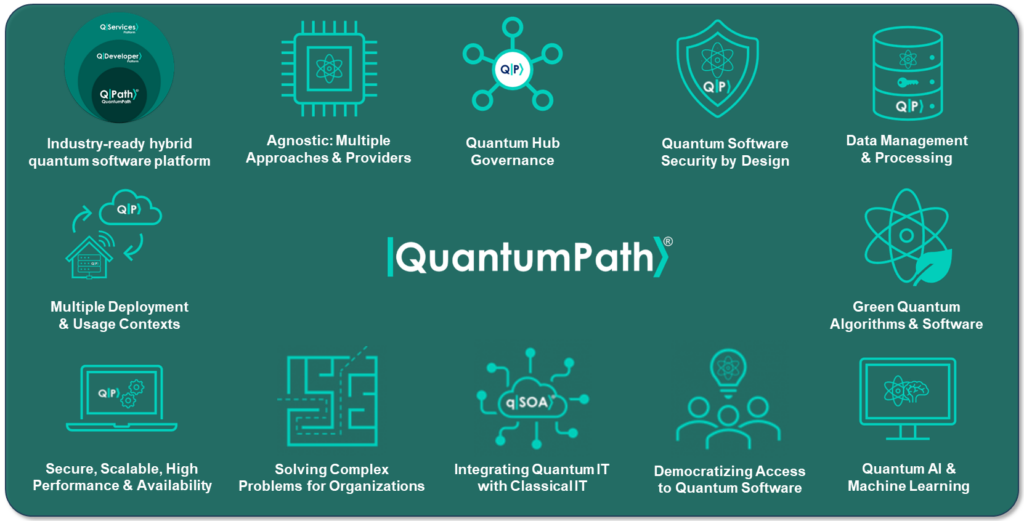
Figure 1: QuantumPath®, hybrid quantum/classical systems integrator
As illustrated in Figure 1, developing useful quantum software with QPath® for businesses, governments, institutions, and organizations involves developing hybrid software systems capable of harmoniously integrating quantum algorithms as part of a solution with:- Different approaches to quantum computing
- The different quantum hardware providers on the market
- Systems governance
- Native systems security
- Data management
- The different deployment options that may be needed
- Investment assurance with extensible solutions that adapt quickly to changes in providers and their technologies
- Dynamic integration with existing classical systems
- Easy access and use of quantum computing for developers and users, regardless of sector or activity
- Intelligent tools for the development and exploitation of quantum software
- The development of sustainable solutions and systems
- Being agnostic with regard to quantum programming languages and technologies
- Providing a clear model of components, services, telemetry, and functionalities that provide a mature architecture, by default, to the design of quantum information systems.
- Ensuring the quality of quantum software
- Addressing security and privacy by design
- Ensuring scalability by design
- Addressing software sustainability by design
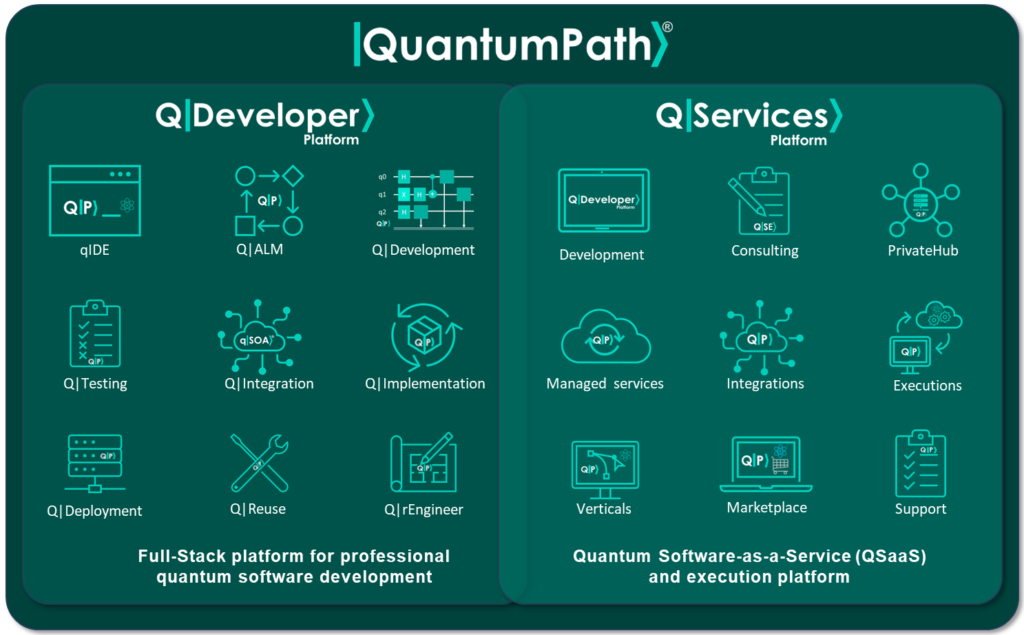
Figure 2: QuantumPath®, Business Stack platform
To make all this possible, since its launch, QPath® has offered its users a wide range of capabilities that continue to grow in functionality:- Q|ALM
- Q|Agnostic
- Q|Hybrid
- Q|Quality
- Q|Management
- Q|Business
- Q|Workforce
- Technological solutions for developing quantum software
- Easy-to-use graphical user interfaces with high performance to support high technical complexity
- Interconnection of hybrid systems
- Application of best practices in quantum software engineering
- Full software portability: write once, run anywhere
- Technological risk management in quantum software systems
- Quantum software platform as a service
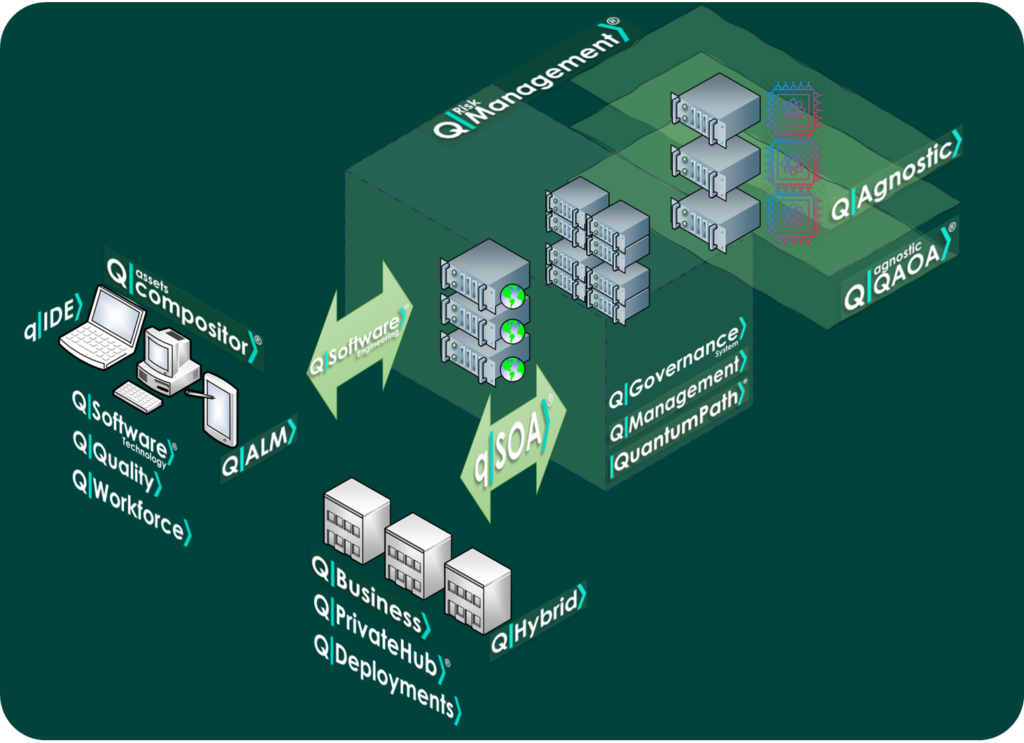

Figure 3. QuantumPath® ecosystem of processes, tools, and services
This wide range of capabilities and advantages of QPath® is the result of applying the profound vision and vast experience of its authors in providing professional IT services to the creation of software development technologies and tools with a strong engineering and industrial focus, which enable engineers and programmers working with the platform to create hybrid systems and commercial software services in a secure, extensible, and scalable manner, thus providing them, in different ways, with professional features of the future commercial quantum software market.
The impact of this approach on the quantum software business is “simple”: quantum algorithms will solve problems that cannot be solved by classical computers, but in the real-world, beyond laboratories and experimental use cases, it will be commercial hybrid software systems, developed and executed with engineering methods and tools such as those from QuantumPath®, that will enable these algorithms to be used reliably and with practical utility in the dayly activities of enterprises, governments, institutions, organizations, etc.
Below is a brief chronology not only of how QuantumPath® has matured over the years, but also of how its architecture and features have been progressively enriched with new functionalities that have strengthened its capabilities to assist and facilitate the development of hybrid software systems and the provision of high-quality commercial quantum software services.

Guido Peterssen, José Luis Hevia and Mario Piattini founded a research group focused on quantum software.
We entered a field of research and development where practically everything was new, everything was yet to be discovered, and where we would have to be very creative.
With this vision, we embarked on the journey that would later give rise to QuantumPath®.

The team’s R&D focuses on quantum software engineering, its practical applications, and the creation of tools for professional quantum software development and its real-world implementations.
In the face of our inability to hire developers with the necessary skills to develop quantum software, we set out to create tools that would assist our team members (physicists, mathematicians, computer engineers, programmers, etc.) in developing high-quality quantum software. These tools would free our team members from having to understand and manage different quantum technology environments and learn different programming languages. They would also provide our team members with the technologies and tools necessary for integrating hybrid software systems. .
As we had extensive experience in traditional IT professional services, we were aware that we also needed tools for the governance and management of quantum and hybrid software development, initially mainly for:
- quantum software development projects, hybrid systems, their assets, etc.
- polymath teams with the broad range of roles and specialties required for quantum software development.
The initial vision for addressing the challenge was that we would achieve all this by creating tools for quantum software development with an architecture based on software engineering that would support:
- the management of the quantum and hybrid software lifecycle
- development that was agnostic with respect to quantum execution processing unit
- technologies for the dynamic integration of hybrid quantum/classical software systems, facilitating the reliable dynamic integration of quantum solutions with real-world classical IT.
We began the design and development of Qandalf, the initial working name for QuantumPath®.

- We developed the first modules of the platform’s CORE, which we later named QuantumPath®.
- We also designed the base architecture for the quantum software services platform.

- We registered the domain name quantumpath.es
- We launched the QuantumPath® website and The QPath Blog
- We filed trademark applications for:
- QPath QuantumPath in Spain and the EU.
- With the most relevant results that we had accumulated in the research and development of the platform’s core, we filed a patent application for the inventions contained in the QuantumPath® CORE
- Launch of the first public version of QuantumPath® CORE, structured in five functional levels that, since its launch, have provided software engineers with the necessary elements to speed up the adoption of quantum technologies in classical systems:
- Lifecycle solutions that enable the management of solutions and their assets.
- Tools for the design, construction, testing, and execution of quantum assets.
- Connection points that enable the interconnection of quantum applications in the ecosystem of classical solutions.
- Full extensibility capabilities that support extensibility in the platform’s main and critical modules.
-
- Enterprise backend responsible for the complete operation of the platform.
- Guido Peterssen, José Luis Hevia, and Mario Piattini, the designers, developers, and owners of the QuantumPath® platform, in their capacity as registered owners of the QuantumPath® trademark in Spain, the European Union, and the United States of America [1], and of European Patent EP4231204 [2], grant an exclusive license for the QuantumPath® patent, trademark, and trade secret to QST (Quantum Software Technology).
- Beta version of the service model with QPath®.
- With the aim of attracting investment and promoting international growth, QST is establishing a two-year contractual joint venture with Alhambra IT that will operate under the aQuantum brand. During the term of the contract, aQuantum will focus its activities on marketing and commercializing hybrid quantum/classical software solutions, quantum software services, and R&D projects. These activities will be conducted using QuantumPath® platform subscriptions provided by QST.
- Alhambra IT has purchased a QuantumPath® Enterprise subscription from QST for the R&D project “QHealth: Quantum Pharmacogenomics Applied to Aging” [3].
- Publication of articles:

- We developed new features and upgrades for QuantumPath®.
- Public access to QuantumPath®, the first quantum software development platform for the hybrid solutions ecosystem.
- Release of the first version of qSOA®.
- Registered trademarks:
- QPath® QuantumPath® in Spain and the EU.
- We filed trademark applications for:
- qSOA
-
- Q Software Technology (QST)
-
- Q Software Engineering
-
- Q Assets Compositor.
- Version 1.0 of the service model with QPath®.
- The OEPM (Spanish Patent and Trademark Office), has notified us of their favorable decision to grant Exclusive License No. 202130011 for the QuantumPath® patent, trademark, and trade secret that we granted to QST in 2020 [4].
- The QSalud project Consortium selected QuantumPath® as the platform for quantum software development and hybrid software services for the QHealth: Quantum pharmacogenomics applied to ageing. The QHealth Project had a total budget of €5,160,477.00 and received a grant of €3,671,281.69 from the CDTI.
- QuantumPath® selected from among the technologies of seven innovative startups (from more than 200 from 28 countries that applied) to develop a fintech project with QuantumPath® through the CaixaBank Fintech open innovation program.
The objective of the PoCs was to use two use cases applicable to quantum computing at CaixaBank as input and solve them with the QuantumPath® platform in order to analyze how its advantages add value to the software engineering process of hybrid (classical-quantum) systems. This will enable the advantages to be measured and KPIs to be obtained that demonstrate the value of the product when applied to the banking context.
The project was successfully completed, demonstrating not only that the proposed PoCs are fully viable for implementation with QuantumPath®, but also that the implementation and exploitation of the PoCs with this platform were carried out in a significantly more efficient manner, in less time, and with greater scalability than those carried out by other providers in the execution of these same PoCs.
- QuantumPath® made available to aQNetwork members (research centers, academics, and companies) to carry out R&D activities on quantum software.
- The UCLM adopts QuantumPath® for academic and research activities in Quantum Software Engineering and Programming.
- TNO adopts QuantumPath® for research in quantum software engineering and programming. PUC-Rio adopts QuantumPath® for academic and research activities in Quantum Software Engineering and Programming.
- The University of Bío-Bío (Chile) adopts QuantumPath® for academic activities in quantum software engineering and programming.
- Publication of articles:

- Development of new features and upgrades for QuantumPath®.
- Public access to QuantumPath® on Amazon Braket.
- Launches of:
- Registration of the European patent application for the QuantumPath® CORE system.
- Registered trademarks:
- qSOA®
-
- Q Software Technology® (QST)
-
- <Q Software Engineering®
-
- Q Assets Compositor®
- We filed trademark applications for:
- Q agnostic QAOA
-
- QPath QuantumPath (USA)
-
- Q Risk Management
- Software development platform for the Q-SERV project at the UCLM.
- Publication of the book Quantum Software Engineering & QuantumPath®.
- GLOIN adopts QuantumPath® to develop quantum software solutions.
- The University of Extremadura will use QuantumPath® in research and training activities carried out within the framework of UMIQ.
- The joint venture with Alhambra IT ended, so starting this year, aQuantum limited its activities to being a distributor of QuantumPath®.
- Book publications:
- Chapter “Quantum Software Development with QuantumPath® in the book “Quantum Software Engineering”
- Publication of articles:

- Release of QuantumPath® version 1.5 with:
-
- New features:
-
-
-
- QPath® Engineer Board as a major UI evolution.
-
- New qSOA® web portal to contain not only the API services URL, but also as an aggregator of information, help, tutorials, and SDK downloads.
-
- SSO support for advanced integrations.
-
- Visual Proxy wizard for Direct Code.
-
- Graphical display of telemetry analysis metrics.
-
-
-
- Approval of new quantum providers.
-
- SDK for Python and .net. Advancing in the implementation of its different levels of usability.
-
- Backend extensions for Q Risk Management® notifications.
-
- Approval of new quantum providers.
-
-
- Evolving:
-
-
- Q Assets Compositor® for Excel, a new tool in the Q Assets Compositor® family.
-
- Q Agnostic QAOA®.
-
- Expansion of qSOA® functionalities for historical operations analysis.
-
- Version 1.0 of Q Risk Management®.
-
- Backend scaling improvements.
-
- + 100 refactorings in backend, protocols, security, and optimizations
-
- Q rEngineer APP beta 1
- Version 1.5 of the service model with QPath®
- Deployment in multiple contexts: cloud, on-premise, hybrid.
- QTester APP beta 1
- Registered trademarks:
-
- QUANTUM SOFTWARE TECHNOLOGY (QST) USA
-
- Q agnostic QAOA®, QPath® QuantumPath® (USA)
-
- Q Risk Management®.
- Platform for managing the BIQAIN project technical office.
- The platform used in the QU-ASAP project by SciCom Group, University of Castilla-La Mancha.
- Books published:
- Articles published:
-

- Development of new and evolving QuantumPath® features.
- Version 2.0 of the service model with QPath®, Quantum Governance Systems:
- Service model: Q|PrivateHub®.
-
- Service management model: Q|MGMTmodel®
-
- Specialized service governance management software: Q|GovCenter.
- Software for centralized governance of quantum hub services
- We filed trademark applications for:
- Q Universal Bridge
-
- Q Private Hub
-
- Q|MGMTmodel
- QuantumPath® played a decisive role in the successful completion of the “QHealth: Quantum pharmacogenomics applied to ageing” project, fulfilling the project’s technological objectives by demonstrating the computational viability of the platform for:
- designing quantum algorithms based on pharmacogenomic models for predicting genetically mediated drug-drug interactions
- the viability of a hybrid quantum/classical software system for the development and exploitation of a hybrid software system valid for personalized pharmacogenomic analysis, based on the Q-PGx model for various drugs and genes for application to quantum computing
- the implementation and execution of quantum algorithms for personalized pharmacogenomic quantum simulation of the Q-PGx model
- the practical application of a demanding methodological and technological model required for the development of hybrid quantum/classical software for health
- Registered trademarks:
- QPath® QuantumPath® (USA)
-
- Q agnostic QAOA®
-
- Q Risk Management®
-
- Q Universal Bridge®
- Platform for managing BIQAIN technical office services, also used for developing hybrid quantum/classical software systems.
- Publication of the chapter “Quantum Software Engineering and Programming Applied to Personalized Pharmacogenomics in the book “Quantum Software: Aspects of Theory and System Design”
- Publication of articles:

- Development of new features and upgrades for QuantumPath®.
- Launch of upgrades for the Quantum Software Ecosystem Governance System.
- Registered trademarks:
- Q Private Hub®
-
- Q|MGMTmodel®
- aQuantum’s business relationship with QST ended, so it also ceased to be a distributor of QuantumPath®.
- Publication of articles:
- Granted EP4231204 “Sistema para desarrollar y ejecutar aplicaciones en redes híbridas de computación cuántica”, the patent for the QuantumPath® CORE System.

- Development of new features and upgrades for QuantumPath®.
- International extension of patent registration EP4231204. The patent has been officially registered in Spain under No. ES3061321 T3. See details in “The European patent for QuantumPath®’s hybrid software system has been validated in Spain”.
- Publication of articles:
The pace of work on the development of QuantumPath® over these years has been frenetic, but it didn’t seem long to us because it was incredibly creative and professionally very rewarding.
The extensive list of features implemented in QPath® to facilitate the development of quantum software, hybrid software systems, and their commercial use, is clear evidence of our high level of commitment to providing professional tools to the nascent quantum software business, tools capable of contributing to accelerating the adoption of quantum computing so that companies, governments, institutions, and organizations can use quantum advantages in their daily activities. This aspiration will become a reality when the production of commercial quantum software, thanks to the application of knowledge and lessons learned from software engineering, becomes routine in an industrial and controlled manner.
An excellent example of the positive implications of applying the best practices of Software Engineering and programming to the development of commercial quantum software systems are the most relevant metrics and benchmarks of QPath®, among which we highlight those contained in Figure 4.
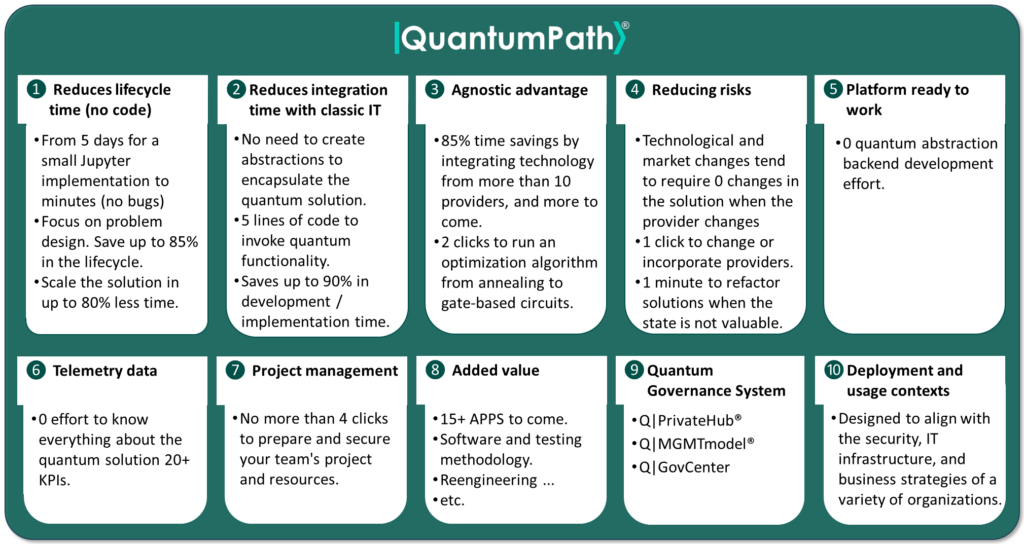
Figure 4: Software development with QuantumPath®: benchmarking
By working in accordance with the principles and commitments of the Talavera Manifesto and best practices in software engineering and programming, QPath® was not only a pioneer in being hybrid, truly agnostic with respect to quantum software programming languages and technologies, and in supporting the management of quantum software development projects, but the architecture and design of the platform has matured robustly and it has been extensively tested to efficiently support its future growth.
We are fortunate to have our industrial secret drawers overflowing with designs and projects to improve and expand the range of professional tools for quantum software development and services. This has enabled us to establish a basic roadmap for the next 5-10 years, which will be progressively adjusted to accommodate technological advances not yet anticipated and user demands. As a result, we anticipate that we will significantly exceed what has been achieved thus far, both quantitatively and qualitatively.
We gladly accept the challenges ahead of us to keep pace with the rapid advancement of quantum computing. At QuantumPath®, we will continue to apply the best practices of Software Engineering and programming to the creation and improvement of engineering tools. We now have an advantage: over the years, we have learned a great deal and trained ourselves to work in the field of applied research and highly innovative software development, so we will continue to work “without disconnecting our patentability sensor”.
The fundamental objective that we had in 2017 remains the same: to extend the application of these best practices and the engineering and industrial approach to software development to platform users, to enable them to design and develop increasingly complex commercial software solutions with high-quality tools so that they can efficiently and securely optimize the hybridization of software systems and provide reliable commercial services when running quantum algorithms with hundreds, thousands, and millions of qubits.
Of course, as is often the case for those of us involved in this type of large-scale, long-term disruptive projects, we continue to be short on time. Despite this, we hope to continue working so that, as before, our proposals to the commercial quantum software market are original enough to continue building our quantum path based on unique technologies, processes, methods, and engineering tools for the industrial development of applications and the provision of truly useful professional quantum software services.
[1] WIPO. Global Brand Database. https://branddb.wipo.int/en/similarname?sort=score%20desc&start=0&rows=30&asStructure=%7B%22boolean%22:%22AND%22,%22bricks%22:%5B%5D%7D&_=1773826027700
[2] Peterssen, G. Hevia, J.L. Piattini, M. SYSTEM FOR DEVELOPING AND RUNNING APPLICATIONS IN HYBRID QUANTUM COMPUTING NETWORKS. European Patent No. EP4231204. European Patent Office (EPO). 2025.
[3] Alhambra IT. QSalud: farmacogenómica cuántica aplicada al envejecimiento. Proyecto de la convocatoria Misiones Ciencia e Innovación 2020 del CDTI. https://www.alhambrait.com/wp-content/uploads/2021/04/Proyecto_QSalud.pdf
[4] Oficina Española de Patentes y Marcas. Licencia contractual de invenciones L202130011. https://ceo.oepm.es/detalleExpediente?numExp=L202130011
